Looking for indoor signage ideas? Start with what people need to do in your space: recognize your business, find their way, understand changing information, or experience your brand. A lobby logo, clear wayfinding system, digital display, wall graphic, or interior glass graphic can each solve a different problem.
Below are five ideas for offices, retail spaces, reception areas, restaurants, and other business interiors. Each includes an example, where it works best, and what to consider before choosing it.
Five Indoor Signage Ideas at a Glance
| Idea | Best use | Main design decision |
|---|---|---|
| Lobby sign | Identify the business and welcome visitors | Scale the logo and materials to the reception space |
| Wayfinding signs | Guide people to rooms, services, and destinations | Place information where visitors make decisions |
| Digital display | Show information that changes frequently | Plan content updates, power, and viewing distance |
| Wall graphic or mural | Use a large wall for branding or storytelling | Match the graphic to the room and wall surface |
| Interior glass graphic | Add privacy, identification, or direction to glass | Balance visibility, daylight, and privacy |
1. Make the Lobby Sign a Clear First Impression
A lobby sign gives visitors immediate confirmation that they have reached the right business. For example, a reception wall could feature a dimensional company logo with generous space around it. An acrylic panel, metal letters, or a carefully lit design can work when it fits the architecture and brand.
Where it works: Reception desks, waiting areas, office entrances, and shared building lobbies.
Design it well: View the wall from the entrance, not just from directly in front of it. Keep the logo readable, choose a finish that suits the surrounding materials, and leave enough open wall space so the sign does not feel crowded.
Consider first: Check the wall size, mounting surface, lighting, and whether the business may need to move or update its branding later.
For more examples and material options, see our lobby signs.
2. Guide Visitors With a Consistent Wayfinding System
Wayfinding is more than placing arrows on walls. Picture a visitor entering an unfamiliar building: they may need a directory at the entrance, a directional sign at a hallway junction, and a room identifier at the destination. Each sign should answer the next question in that journey.
Where it works: Offices, medical facilities, schools, campuses, hotels, and multi-tenant buildings.
Design it well: Use consistent names, arrows, typography, colors, and mounting positions. Put signs at decision points, such as entrances, corridor intersections, and elevator exits. Test the route with someone who does not already know the building.
Consider first: Some room and facility signs may have accessibility requirements. Confirm the requirements that apply to the specific building and sign before production.
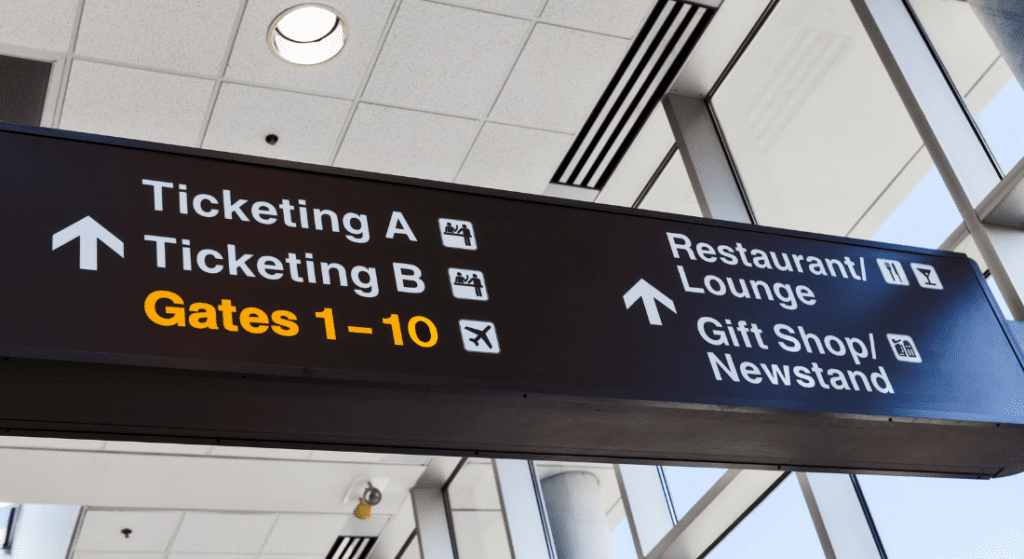
Our guide to types of wayfinding signs explains how different signs work together.
3. Use Digital Signage for Information That Changes
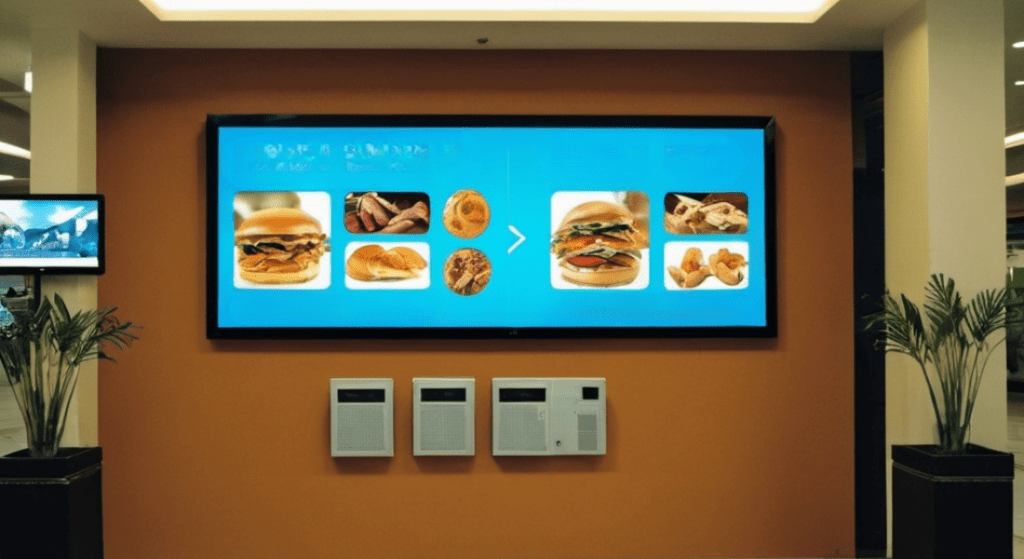
A digital display is useful when staff need to update information regularly. A restaurant might show a changing menu; an office lobby might display meeting information; a waiting area might share schedules or announcements. If the message rarely changes, a fixed sign may be simpler to maintain.
Where it works: Menu areas, reception spaces, waiting rooms, event venues, and customer information points.
Design it well: Keep each screen easy to scan. Use large text, strong contrast, and enough display time for viewers to understand a message. Decide who will update the content and how outdated information will be removed.
Consider first: Plan for power, connectivity where needed, screen placement, glare, content management, and maintenance. An interactive kiosk requires a different plan from a screen viewed across a room.
4. Turn an Interior Wall Into a Useful Graphic
Wall graphics and murals can give a large, plain surface a purpose. An office might display a simple brand story near the entrance; a retail space might use a product illustration to define a department; a waiting area might use a calming graphic suited to the setting.
Where it works: Reception walls, meeting areas, retail interiors, corridors, and shared spaces.
Design it well: Decide whether the graphic is mainly decorative, informative, or directional. Use artwork suited to the wall’s dimensions and viewing distance. Check that important text will not be hidden by furniture or doors.
Consider first: Review the wall surface, existing paint, lighting, and the possibility that the graphic may need to be removed or updated later.

See our wall murals page for this type of interior application.
5. Add Privacy or Direction to Interior Glass
Glass doors and partitions provide space for understated signage. Frosted graphics can add privacy to a meeting room while allowing light through. A small logo or room name can identify an office. A clear directional message on a glass door can help visitors find the right entrance.
Where it works: Meeting rooms, office doors, interior partitions, reception areas, and shared workspaces.
Design it well: Check the graphic from both sides of the glass. Consider whether the priority is privacy, identification, or decoration, and leave enough clear area for the room to receive the light and visibility it needs.
Consider first: Measure the glass, note door handles and frames, and check whether visibility markings or other building requirements apply. An exterior-facing storefront promotion serves a different purpose from an interior glass graphic.
How to Choose the Right Idea for Your Space
- Walk the visitor route. Start at the entrance and note where people may be uncertain about where to go.
- Assign one job to each sign. Separate identification, directions, changing information, and decoration.
- Check the viewing conditions. Look at distance, lighting, glare, available wall or glass space, and nearby visual clutter.
- Keep the system consistent. Use related typography, colors, terminology, and placement across signs.
- Plan maintenance. Consider how signs will be cleaned, updated, or replaced as the space changes.
A business may need more than one of these ideas. For example, a lobby sign can identify the company, while directional and room signs help visitors complete the rest of their journey.
Frequently Asked Questions
What indoor sign should a small office start with?
Start with the visitor’s most important need. If people struggle to identify the business on arrival, a clear entrance or lobby sign may come first. If they find the office but get lost inside, prioritize directional and room signs.
What is the difference between a lobby sign and a wayfinding sign?
A lobby sign primarily identifies or presents the business. A wayfinding sign helps people reach a destination. They can share a visual style, but each should be designed around its own job.
Are digital signs better than printed signs indoors?
Digital signs are useful when content changes regularly. Fixed signs are often more suitable for permanent names, directions, and room identification. The better choice depends on the message, location, and ability to maintain it.
How can indoor signage look consistent without making every sign identical?
Use a shared system for colors, typography, terminology, and placement while letting the size and format suit each sign’s purpose. A lobby logo and a room sign can look related without using the same layout.
Key Takeaways
- Choose indoor signs by what visitors need to understand or do.
- Use lobby signs for identification and wayfinding signs for navigation.
- Reserve digital displays for information that benefits from regular updates.
- Use wall and glass graphics with the room’s layout, lighting, and purpose in mind.
- Review the whole visitor route so separate signs work together.
Planning Indoor Signs for Your Business?
MetroCenter Signworks works with Nashville and Middle Tennessee businesses on interior signage. If you would like help planning a space, explore our indoor business signs or contact us with photos and a description of your project.